
Pilar Marqués-Sánchez explores the invisible fabric of human networks in Ponferrada’s inaugural lecture

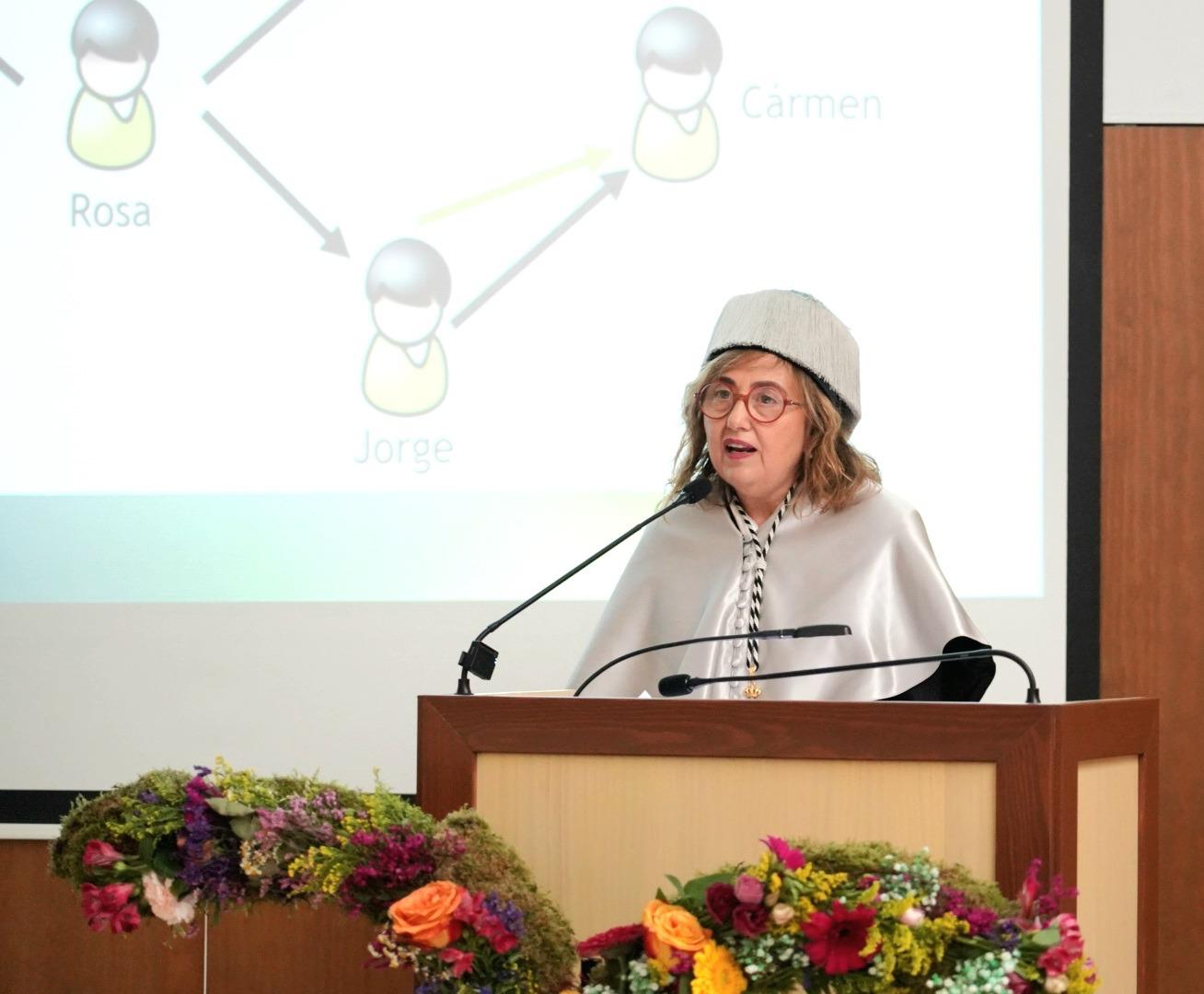
On 7 October, Pilar Marqués-Sánchez, Full Professor and Director of the SALBIS Research Group at the University of León, delivered the inaugural lecture for the 2026–2027 academic year at the Ponferrada Campus, entitled “The Invisible Fabric of Human Networks” (“La trama invisible de las redes humanas”).
What do friendship, health and the development of a university have in common? The relationships that connect us. Marqués-Sánchez explained how Social Network Analysis (SNA) makes it possible to study these connections scientifically: who interacts with whom, how support and trust circulate, and which individuals bridge different groups.
Her lecture highlighted a striking idea: viruses are not the only things that spread through networks. Habits, emotions and ideas can also travel through relationships, sometimes involving people we have never met. She illustrated this through research on obesity and social isolation, COVID-19 transmission among university students, and collaboration networks between nurses and physicians. In the latter case, different relational structures complemented one another and supported healthcare performance.
Among the most thought-provoking concepts were social contagion and triads. Contagion is not limited to disease: behaviours, emotions and ideas can also spread through human relationships. Triads—three people and the ties connecting them—help reveal how alliances emerge, trust is reinforced and network dynamics take shape. Both concepts show how even small patterns of connection can have effects beyond the individual.
“Viruses are not the only things that spread: emotions, ideas and ways of life do too.”
Turning to the Ponferrada Campus, she argued that its future depends not only on degree programmes and facilities but also on collaborative ties linking students, professionals, institutions and the wider region. These human networks can create opportunities and leave a lasting mark.
Marqués-Sánchez also expressed her gratitude to José Luis Molina, Isidro Maya Jariego and Revista REDES para el Análisis de Redes Sociales for their sustained work and commitment to advancing and sharing this paradigm, which is transforming sociological research and broadening our understanding of human relationships.
“The future is not built by individuals in isolation, but by the human networks we are able to weave together.”
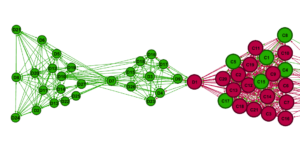
Image 1 · Bow-tie network structure: illustrates the bridging role of student leaders in university residences in the context of COVID-19.
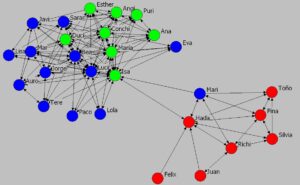
Image 2 · Healthcare collaboration network: visualizes the connections between nurses and physicians.